
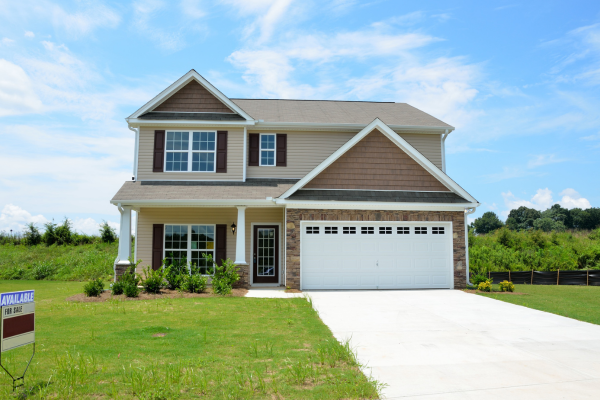
Modular Home Styles: Ranch, Cape Cod, 2-Story and More
Most homeowners start their modular home research with a picture in mind, not a floor plan. You know you want something with character, something that fits your lot, something that feels like home. What you may not know yet is that nearly every classic American home style can be built modular, from single-story ranches to full two-story colonials, and each style carries different cost, design, and construction considerations.
This guide walks through the most common modular home styles built across Maryland and the Northeast, including 2-story modular homes, ranch style modular homes, Cape Cod designs, A-frames, and duplex layouts. For each style, we cover who it fits best, what drives its cost, and the design trade-offs to think about before committing. By the end, you should have a much clearer sense of which direction matches your lot, budget, and the way you actually want to live.
What “Modular Home Style” Actually Refers To
Before getting into the styles themselves, a quick clarification. “Modular” is a construction method, not a style. A modular home is built in sections in a climate-controlled factory, transported to your site, and assembled on a permanent foundation. The style is the architectural expression: ranch, Cape Cod, colonial, contemporary, and so on.
That distinction matters because it means almost any style you like in a site-built home can also be built modular. What changes between styles is not whether modular can deliver them, but how the modules are designed, transported, and joined. Two-story designs, for example, arrive as separate first-floor and second-floor modules. Ranch designs often ship as one or two wider modules. The style determines the engineering approach, and the engineering approach affects cost and timeline.
PurBilt’s floor plans and designs page catalogs the main categories available: single-family, multi-family, commercial, and interior configurations. Any of the styles below can be built within those categories.
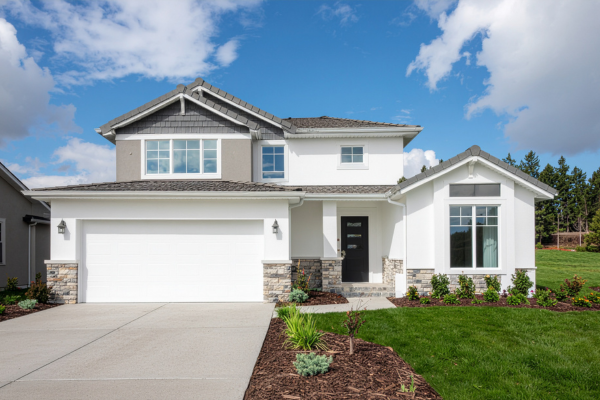
2-Story Modular Homes: The Most Common Choice
Two-story modular homes are by far the most searched modular home style, and for good reason. They give you more livable square footage on a smaller foundation footprint, which matters in Maryland where buildable lot sizes vary widely across counties and lot costs can swing the total project budget by tens of thousands of dollars.
Who it fits: Families who need four or more bedrooms, homeowners with tighter urban or suburban lots, and anyone who wants the traditional colonial or farmhouse look. Two-story designs are also the strongest resale style in most Maryland markets.
Typical layout: Bedrooms upstairs, living spaces downstairs. Primary suite can be upstairs (traditional) or downstairs (modified colonial), depending on design. Optional finished basement adds a third floor of livable space.
Cost considerations: Two-story modular homes typically cost slightly more per square foot than single-story equivalents because of the additional structural engineering and the need to ship and set two separate floor modules. However, the reduced foundation size and smaller roof system often offset those costs, making two-story builds competitive or cheaper overall when measured against a comparable ranch on the same lot.
Design trade-offs: You get more square footage on less land, but stairs become part of daily life. That matters for aging-in-place planning, accessibility, and resale to older buyers. Most homeowners solve this by designing a first-floor primary suite or planning for future stair assist infrastructure.
Two-story designs are a natural fit for PurBilt’s single-family home floor plans and pair well with modern farmhouse, colonial, and traditional aesthetics.
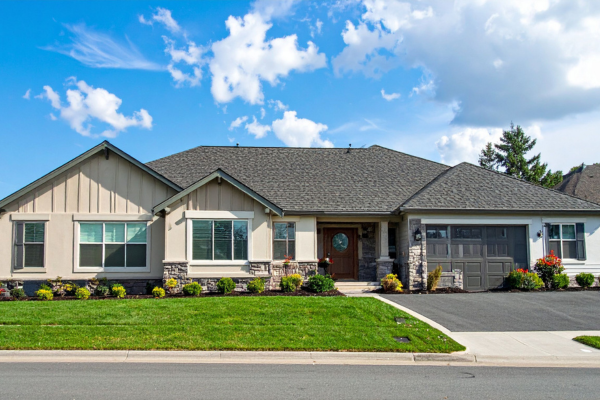
Ranch Style Modular Homes: Single-Story Living
Ranch style modular homes keep everything on one floor. No stairs, wide footprint, and a layout that’s easier to age into over time. Ranch designs have had a quiet resurgence in the last decade, partly because baby boomers are downsizing and partly because younger buyers are starting to think longer-term about accessibility.
Who it fits: Homeowners planning to age in place, anyone with mobility considerations, buyers with a lot that can accommodate a wider footprint, and families who prefer single-level living for noise and convenience reasons.
Typical layout: Long, horizontal floor plan with all bedrooms, kitchen, and living spaces on one level. Three-bedroom ranch layouts are the most common, with primary suites typically placed at one end for privacy.
Cost considerations: Ranch modular homes often cost less to build per square foot than two-story equivalents because they avoid the engineering complexity of stacking modules. The trade-off is a larger foundation and roof, which means more site preparation cost on challenging lots. If your lot is flat and already cleared, ranch tends to be the most cost-efficient style on a per-square-foot basis.
Design trade-offs: You need more land. Ranch designs are harder to fit on narrow urban lots, and the larger roof and foundation can increase some cost categories even as per-square-foot construction comes down. For Maryland homeowners with rural or suburban lots, this is usually a favorable trade. For those in tighter Anne Arundel or Howard County subdivisions, it may not be feasible.
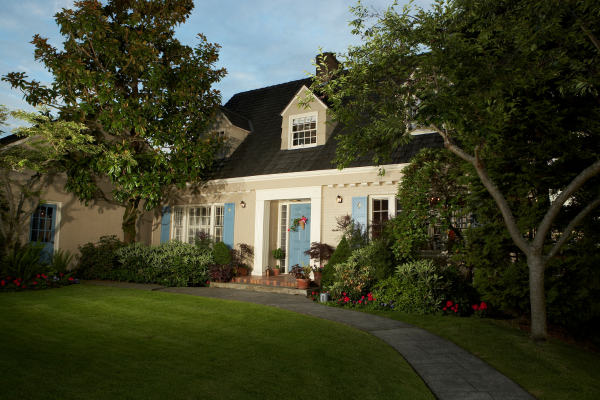
Cape Cod Modular Homes: Classic East Coast Design
Cape Cod is one of the oldest American home styles, and it translates beautifully to modular construction. The defining features are a steep roof, central chimney placement, symmetrical facade, and often dormer windows for upstairs bedrooms. Cape Cod homes are a natural fit for Maryland’s climate and architectural history.
Who it fits: Homeowners drawn to traditional New England aesthetics, buyers in historic Maryland towns where the style fits the neighborhood character, and anyone who wants the charm of a classic design without the maintenance burden of an actual 200-year-old house.
Typical layout: First-floor primary suite with additional bedrooms tucked under the steep roof upstairs, often with dormers for headroom. The “story-and-a-half” structure makes Cape Cod homes feel larger than their square footage suggests.
Cost considerations: Cape Cod modular homes fall between ranch and full two-story on the cost scale. The dormered upstairs is less expensive than a full second story but adds more usable space than a pure ranch.
Design trade-offs: The upstairs tends to feel cozier and has more sloped ceilings. That’s either charming or limiting depending on your preferences. Dormers add cost and should be planned intentionally rather than added as an afterthought.
A-Frame Modular Homes: Character Over Convention
A-frame modular homes are defined by their distinctive triangular profile, with roof lines that extend nearly to the ground. They’re visually dramatic, naturally energy-efficient in certain climates, and increasingly popular for vacation properties, small primary residences, and design-forward buyers who want something different.
Who it fits: Buyers prioritizing distinctive architecture, owners of wooded or sloped lots where the A-frame silhouette complements the landscape, and those planning vacation homes, guest cottages, or small primary residences under 1,500 square feet.
Typical layout: Open main living area with tall ceiling peaks, lofted sleeping areas upstairs, and a compact first-floor footprint. Most A-frames range from 800 to 1,600 square feet, though larger versions exist.
Cost considerations: A-frames can be surprisingly cost-efficient because the steep roof doubles as the exterior walls, reducing the total wall surface area. The trade-off is reduced usable square footage per footprint compared to conventional designs, since the sloped walls cut into the livable space on the perimeter.
Design trade-offs: Storage, furniture placement, and window design all require more intentional planning than in a rectangular home. The sloped walls limit wall-mounted storage, taller furniture, and standard window placement. Homeowners who love A-frames often see these as features rather than limitations.
Duplex Modular Homes: Multi-Family Investment
Duplex modular homes are two separate living units built within a single structure, typically sharing a central wall. They’ve become increasingly popular among investors, multigenerational families, and homeowners looking to offset a mortgage with rental income.
Who it fits: Real estate investors, homeowners who want to live in one unit and rent the other, extended families who want to share a property while maintaining separate living spaces, and buyers in markets where duplex zoning makes single-family economics difficult.
Typical layout: Two mirrored or staggered units, each with their own entrance, kitchen, and living spaces. Can be single-story or two-story on each side.
Cost considerations: Duplex modular homes deliver substantial cost efficiency on a per-unit basis compared to building two separate single-family homes. Shared walls, shared foundation, shared utilities (when designed that way), and single-site mobilization all reduce cost. The trade-off is coordinating design for two separate households and navigating local zoning.
Design trade-offs: Privacy between units, sound insulation, and separate utility metering all require more planning than a single-family build. Maryland duplex zoning varies significantly by county and municipality, so confirming your lot is zoned appropriately is a first step.
PurBilt’s multi-family floor plans include duplex configurations alongside other multi-family designs.
Other Styles Worth Mentioning
The five above cover the most searched and most built modular home styles, but a few others come up often enough to note:
Modern and contemporary modular homes: Flat or low-slope roofs, large glass spans, open floor plans, and a design-forward aesthetic. Increasingly popular for custom builds, but typically carry higher costs due to specialized finishes and structural complexity.
Cottage and small modular homes: Compact designs under 1,200 square feet, often with single-level layouts. Popular for ADUs, guest houses, and empty-nester downsizing.
Colonial modular homes: The classic two-story symmetrical design with a central entry. Overlaps significantly with the two-story category above, but worth noting as a distinct aesthetic tradition.
Farmhouse modular homes: Two-story layouts with gabled rooflines, wide porches, and rural-inspired detailing. One of the most popular aesthetic directions in new builds over the last several years.
For any of these, a custom modular home build gives you the flexibility to combine stylistic elements rather than selecting from a fixed menu.
What We Tell Homeowners Choosing a Style
Style selection is usually the most emotional part of the building process, and it’s also where homeowners tend to back themselves into expensive decisions if they’re not careful. A few things we talk through with clients before the style gets locked in:
Your lot drives more decisions than your preferences. A narrow lot makes a ranch difficult. A sloped lot makes a Cape Cod expensive. A small lot makes a duplex’s zoning requirements harder to meet. The style you can build well is always constrained by the lot you’re building on, and starting with the lot rather than the style tends to lead to better outcomes.
Resale matters even if you’re not planning to sell. In most Maryland markets, traditional two-story and ranch designs hold their value more reliably than highly stylized options like A-frames or ultra-modern builds. That’s not a reason to avoid a distinctive design, but it’s a reason to know what you’re trading.
Your timeline matters more than most homeowners realize. Factory build times are shorter and more predictable than stick-built construction, but permitting, site work, and utility hookups vary significantly by Maryland county. Your builder should be able to give you a realistic end-to-end timeline before you commit to a style, not just a factory build estimate.
For the full project sequence, PurBilt’s our process page walks through each phase from initial consultation through final walkthrough.
When a Remodel Makes More Sense Than a New Build
One pattern we see often: homeowners come in with a specific modular home style in mind, then realize during the first consultation that what they actually want is more space or a better layout in their existing home, not a brand new house on a new lot.
If you already own a home in solid structural condition and your primary goal is improving how you live, a targeted remodel often delivers the result you want at a fraction of the cost and timeline of a new build. A kitchen renovation, a finished basement, a reconfigured main floor, or a home addition can transform how a house functions without the complexity of building new.
That’s not a reason to abandon a modular home project. It’s a reason to be honest about what you actually need. PurBilt offers full home remodeling services covering kitchens, bathrooms, basements, roofing, siding, windows, flooring, and painting across Maryland, along with modular ADUs and additions for homeowners who want to expand rather than rebuild.
Choosing the right path is often the biggest cost-saver in the entire project.
Build the Modular Home That Fits Your Life
Style is personal. What works for one lot and one family won’t necessarily work for another, and the right modular home style is the one that matches your land, your lifestyle, and your long-term plans. PurBilt’s team works with Maryland homeowners from initial consultation through final walkthrough, helping you evaluate style options against your actual lot conditions and budget.
Request a free estimate to discuss your project, your property, and the modular home style that fits best.
Related Services: Modular Homes | Custom Modular Homes | Floor Plans & Designs | ADUs & Additions | Home Remodeling | View All Services
Legal Disclaimer: The style, cost, and design information provided in this article is intended for general educational purposes only and should not be considered a formal quote, architectural plan, or professional construction advice. Actual project feasibility, cost, and design options depend on your specific lot, local zoning, permitting requirements, and other site-specific factors. Consult a licensed Maryland contractor directly for project-specific guidance.

