

Kitchen Remodeling Mistakes Maryland Homeowners Must Avoid in 2026
A kitchen remodel is one of the biggest investments most homeowners make, yet it is also one of the easiest places to make decisions that look good during planning but cause frustration once the space is in daily use.
As kitchen design continues to evolve in 2026, many remodel regrets are not about style. They are about layout, workflow, lighting, storage, and budget decisions that were underestimated early on. This guide breaks down the most common kitchen remodeling mistakes homeowners make and what to do instead, with practical insight shaped by real renovation outcomes in Maryland homes.
If you are exploring broader renovation options beyond the kitchen, you can review PurBilt’s full home remodeling services to see how kitchen projects fit into larger home plans.
Layout and Function Mistakes
Ignoring the Prep Zone
One of the most common kitchen remodel mistakes is failing to plan adequate prep space. Homeowners often focus on appliances and finishes, then realize too late that there is no clear, central area for chopping, assembling, or staging meals.
A functional prep zone should be:
- Close to the sink, refrigerator, and stove
- Large enough for daily cooking tasks
- Free of traffic flow from walkways or seating
In many Maryland homes, especially older layouts, prep areas were never designed for modern cooking habits. Remodeling is the opportunity to correct that.
Poor Workflow and Circulation
Another frequent mistake is poor workflow. While the traditional kitchen triangle still matters, modern kitchens often require more than one functional path.
Common issues include:
- Islands placed too close to appliances
- Walkways blocked when appliances are open
- Seating interfering with cooking zones
A kitchen that looks open can still feel cramped if circulation is not carefully planned.
Insufficient Storage Planning
Storage mistakes are among the fastest regrets after a remodel. Homeowners often underestimate how much storage they actually use or rely on standard cabinets without considering accessibility.
Typical storage errors include:
- Deep cabinets without pull-outs
- Not enough drawer space for cookware
- No dedicated pantry or appliance storage
Well-designed storage is about usability, not just cabinet count.
Bad or Incomplete Lighting
Lighting is often treated as a finishing touch instead of a core design element. In practice, poor lighting affects how the kitchen feels every day.
Common lighting mistakes include:
- Relying on a single overhead fixture
- Skipping task lighting at prep areas
- Creating shadows on countertops
In Maryland, shorter winter days make layered lighting even more important for year-round comfort.
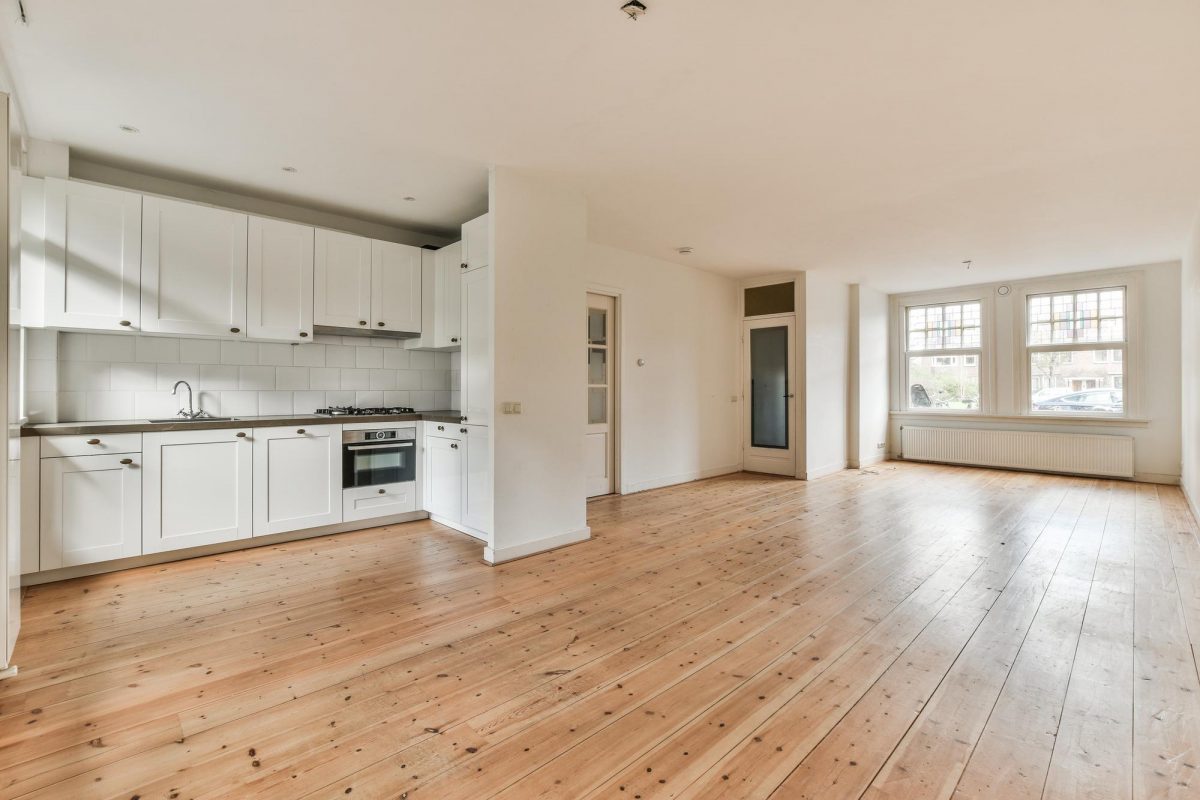
Design and Material Errors
Mismatched Materials
Pairing materials without considering balance is a mistake that can make a kitchen feel disjointed. This often shows up as:
- Very dark floors with very light cabinets
- Cool-toned surfaces mixed with warm woods
- Competing textures that overwhelm the space
Cohesive kitchens typically limit strong contrasts and allow materials to complement each other rather than compete.
Many homeowners also overlook insulation, ventilation, and window decisions during a kitchen remodel, even though these factors play a major role in comfort and long-term costs, especially when bundled into energy-efficient home remodeling projects.
RELATED: Efficient Home Design – US Department of Energy
Trend-Driven Finishes That Age Quickly
Design trends change, but kitchens are long-term investments. One common regret is choosing finishes because they are popular rather than practical.
Examples include:
- High-sheen hardware that shows wear quickly
- Extremely industrial looks that feel cold over time
- Colors that dominate the space instead of supporting it
In 2026, many homeowners are moving back toward warmer neutrals, wood tones, and satin or brushed finishes that age more gracefully.
Choosing Style Over Substance
Another frequent mistake is prioritizing decorative elements over construction quality.
This often looks like:
- Spending more on decorative hardware than cabinet construction
- Choosing thin or low-quality materials to fund visual upgrades
- Skipping durability in high-use areas
Kitchens that perform well long-term usually invest first in structure, surfaces, and hardware that can handle daily use.
Budget and Planning Pitfalls
Treating Countertops as an Afterthought
Countertops influence layout, cabinet design, and budget more than many homeowners expect. Waiting too long to select them can force compromises elsewhere.
Early countertop decisions help:
- Lock in cabinet dimensions
- Prevent surprise cost increases
- Avoid last-minute material changes
Quartz remains a popular choice in 2026 for its durability and consistent performance.
Misallocated Spending
Another common kitchen renovation mistake is overspending on non-functional décor while underinvesting in core elements.
This can include:
- Decorative lighting without adequate task lighting
- Accent features that do not improve usability
- Cutting corners on cabinetry or installation
A balanced budget prioritizes daily function before visual extras.
Underestimating Scope and Downtime
Many homeowners underestimate how disruptive a kitchen remodel can be. Hidden issues such as outdated electrical, subfloor problems, or ventilation upgrades can extend timelines.
Planning for:
- Temporary kitchen setups
- Longer-than-expected downtime
- Permit and inspection timing
Reduces stress and surprises during construction.
For homeowners trying to balance function and budget, understanding typical kitchen remodel costs in Maryland helps prevent overspending on the wrong elements, especially during colder months, pairing a kitchen remodel with other winter home improvement projects can streamline scheduling and reduce disruption.
2026 Kitchen Trends to Embrace Instead
Instead of chasing trends that fade, many successful kitchens in 2026 focus on practical upgrades that support daily life.
Key directions include:
- Warm, inviting color palettes with creamy neutrals and natural wood tones
- Durable surfaces such as quartz for countertops
- Coordinated flooring and cabinetry for visual continuity
- Brushed or satin metallic finishes, even when mixing metals
- Shaker-style cabinets for versatility and longevity
These choices balance modern appeal with long-term usability.
How to Avoid These Kitchen Remodel Mistakes
Before demolition begins, homeowners can reduce risk by following a few core principles:
- Plan layout and workflow before choosing finishes
- Design storage around real habits, not assumptions
- Integrate lighting early in the design process
- Set a realistic budget with contingency built in
- Coordinate decisions with an experienced remodeling team
Understanding how projects are planned and managed can also help. PurBilt outlines this clearly in our remodeling process, which explains how coordination and sequencing reduce common issues.
Plan Your Kitchen Remodel the Right Way
Most kitchen remodel regrets come from decisions that were rushed or underestimated. By understanding common kitchen remodeling mistakes before starting, homeowners can invest more confidently and avoid long-term frustration.
If you are planning a kitchen remodel and want guidance grounded in real-world experience, you can schedule a free estimate to discuss layout, materials, and planning considerations with PurBilt’s team.
Frequently Asked Questions
Table Of Contents
- Layout and Function Mistakes
- Design and Material Errors
- Budget and Planning Pitfalls
- 2026 Kitchen Trends to Embrace Instead
- How to Avoid These Kitchen Remodel Mistakes
- Plan Your Kitchen Remodel the Right Way
- Frequently Asked Questions
- What is the most common kitchen remodel mistake?
- Should layout or finishes come first?
- Do kitchen remodel mistakes affect resale value?
- Is it better to remodel for resale or daily use?
- Does a kitchen remodel need to follow current trends to stay relevant?
- How early should I involve a contractor when planning a kitchen remodel?


